Loading...
Email Alert | RSS

Table of Content

    20 August 2026, Volume 7 Issue 4
    Interpretation of Standards
    Interpretation of group standard T/WSJD 31—2023:Guidelines for Chest Imaging Diagnosis of Pneumoconiosis Complicated with Pulmonary Tuberculosis
    Wang Huanqiang
    Journal of Tuberculosis and Lung Disease. 2026, 7(4):  422-425.  doi:10.19983/j.issn.2096-8493.20260177
    Abstract ( 41 )   HTML ( 2 )   PDF (1114KB) ( 8 )   Save
    References | Related Articles | Metrics

    Pneumoconiosis complicated with pulmonary tuberculosis is the most severe comorbidity of pneumoconiosis, characterized by high prevalence, overlapping imaging signs that are difficult to distinguish, and a high rate of missed diagnosis and misdiagnosis. This condition greatly impairs patients’ health-related quality of life and tends to trigger diagnostic disputes, because diagnostic conclusions are directly linked to occupational capacity appraisal and occupational injury insurance benefits. Issued by the China Health Inspection Association in 2023, Guidelines for Chest Imaging Diagnosis of Pneumoconiosis Complicated with Pulmonary Tuberculosis (T/WSJD 31—2023) is China’s first special group standard for chest imaging diagnosis of pneumoconiosis complicated with pulmonary tuberculosis. Based on the epidemiological features, clinical misdiagnosis status and quality-of-life research evidence of pneumoconiosis combined with pulmonary tuberculosis in China, this paper systematically interprets the standard’s diagnostic principles, imaging classification criteria, CT examination indications, tuberculosis activity assessment, differential diagnosis system and standardized diagnostic workflow. This paper aims to help clinicians and occupational disease diagnosticians accurately understand and apply this standard, so as to improve the consistency and accuracy of diagnosis for pneumoconiosis complicated with pulmonary tuberculosis.

    Interpretation of Clinical Practice Guidelines for the Management of Influenza in Adults with Chronic Airway Diseases
    Ma Yiming, Zeng Huihui, Chen Yan
    Journal of Tuberculosis and Lung Disease. 2026, 7(4):  426-428.  doi:10.19983/j.issn.2096-8493.20260139
    Abstract ( 39 )   HTML ( 2 )   PDF (1098KB) ( 10 )   Save
    References | Related Articles | Metrics

    Chronic airway diseases represent a major burden of chronic diseases in China, and influenza virus infection is a key trigger for their acute exacerbations. Influenza symptoms in patients with chronic airway diseases are often atypical and can easily be confused with exacerbations of the underlying disease. Accordingly, experts from the Chinese Thoracic Society, the Respiratory Disease Prevention and Control Specialty Societies of Chinese Preventive Medicine Association, the Chronic Obstructive Pulmonary Disease Committee of Chinese Association of Chest Physician, and the County Respiratory Professional Committee of China Association of Health Promotion and Education jointly compiled the Clinical Practice Guidelines for the Managment of Influenza in Adults with Chronic Airway Diseases. This guideline addresses 12 core clinical questions and, based on the GRADE methodology, provides 11 recommendations covering key areas such as disease prevention, early diagnosis, and precision treatment. This article focuses on introducing the background of the guideline development and its core recommendations.

    Key updates and interpretation of the 2026 edition of Global Strategy for Asthma Management and Prevention
    Ma Zhiming
    Journal of Tuberculosis and Lung Disease. 2026, 7(4):  429-433.  doi:10.19983/j.issn.2096-8493.20260143
    Abstract ( 54 )   HTML ( 3 )   PDF (1136KB) ( 14 )   Save
    References | Related Articles | Metrics

    The Global Initiative for Asthma (GINA) released Global Strategy for Asthma Management and Prevention (2026 Update). Based on evidence-based medicine, this strategy systematically updates the whole-process diagnosis and management system of asthma, including diagnostic criteria, symptom and risk assessment, stepwise therapy, standardized management of acute exacerbations, targeted treatment for severe asthma, individualized pediatric asthma management and low-carbon healthcare. The core reform of the 2026 edition is to establish the full-course anti-inflammatory principle and abolish short-acting β2-adrenoceptor agonist (SABA) monotherapy. All asthma patients should take inhaled corticosteroid (ICS)-containing regimens as basic treatment, and ICS-formoterol maintenance and reliever therapy (MART) is the first choice. The guideline simplifies diagnostic procedures, highlights the objective diagnostic significance of pulmonary function tests, standardizes oxygen therapy and emergency treatment for acute asthma, and refines individualized biologic selection for severe asthma, with attention to special populations and low-carbon medical development. In accordance with the 2026 GINA global strategy, this paper comprehensively interprets core updates to provide standardized clinical references for clinicians in respiratory, pediatric and primary care departments, and promote homogeneous standardized asthma care in China.

    Special Topic
    Construction of a virtual multidisciplinary diagnosis and treatment pattern for complex pulmonary diseases and the evolution of artificial intelligence decision support systems
    Zhen Le, Lu Xiwei
    Journal of Tuberculosis and Lung Disease. 2026, 7(4):  434-438.  doi:10.19983/j.issn.2096-8493.20260164
    Abstract ( 37 )   HTML ( 2 )   PDF (1111KB) ( 6 )   Save
    References | Related Articles | Metrics

    Virtual multidisciplinary diagnosis and treatment pattern (vMDT) integrates multidisciplinary team consultation with telemedicine, enabling cross-regional and cross-disciplinary expert collaboration online to provide comprehensive diagnostic and treatment plans for patients with complex pulmonary diseases. This approach plays a significant role in enhancing the diagnostic and therapeutic capabilities of primary healthcare institutions. This paper elaborates on the information technology architecture of vMDT and the organizational models of remote MDT consultations, while also presenting a prospective outlook on developing an AI-assisted clinical decision support system based on a case repository of difficult pulmonary diseases. Thereby, it proposes a constructive new pathway for addressing the challenges in diagnosing and managing complex pulmonary conditions.

    Progress and clinical application of biologics in chronic obstructive pulmonary disease:based on the 2026 GOLD guideline
    Hu Yunqu, Ren Haibo
    Journal of Tuberculosis and Lung Disease. 2026, 7(4):  439-442.  doi:10.19983/j.issn.2096-8493.20260077
    Abstract ( 43 )   HTML ( 3 )   PDF (1124KB) ( 12 )   Save
    References | Related Articles | Metrics

    Chronic obstructive pulmonary disease (COPD) imposes a heavy global disease burden. Conventional therapeutic regimens achieve unsatisfactory disease control in refractory patients with high type 2 inflammation phenotypes. The advent of biologics has provided a novel targeted therapeutic approach for such patients, and the 2026 Global Initiative for Chronic Obstructive Lung Disease (GOLD) guidelines have incorporated biologics into the standardized diagnosis and treatment system of COPD. This paper reviews the mechanism key clinical studies, guideline recommendations and clinical practice specifications of COPD-related biologics in the past three years. Combined with the medication characteristics of the Chinese population and the research status of integrated traditional Chinese and Western medicine, it analyzes the existing problems in current clinical application and future development directions, so as to provide a reference for the accurate clinical selection and rational use of biologics.

    Original Articles
    Influence of spatial location of pulmonary nodules on the scope and efficacy of sublobar resection based on pulmonary subsegmental anatomical units
    Shao Yufeng, Zhu Qingfeng, Zheng Nianpeng, Chen Rongjin, Shu Jian
    Journal of Tuberculosis and Lung Disease. 2026, 7(4):  443-447.  doi:10.19983/j.issn.2096-8493.20260038
    Abstract ( 33 )   HTML ( 2 )   PDF (843KB) ( 7 )   Save
    Figures and Tables | References | Related Articles | Metrics

    Objective: To investigate the impact of the spatial location of pulmonary nodules (PN) on the extent and efficacy of sublobar resection (SR) based on pulmonary subsegmental anatomical units. Methods: A total of 114 eligible PN patients who received SR were enrolled from the Department of Thoracic Surgery, Taicang First People’s Hospital, between February 2022 and February 2025. Based on the pulmonary subsegmental anatomical units, patients were allocated into three groups stratified by resection scope:Group 1 (single pulmonary subsegmental resection, n=34), Group 2 (combined pulmonary subsegmental resection, n=39), and the Control Group (single pulmonary segmental resection, n=41). Baseline data and PN imaging data of the three groups were collected and statistical analyses were performed to assess the impact of various indicators on the resection scope of SR. In addition, PN recurrence and metastasis in Group 1 and Group 2 were analyzed to compare surgical efficacy among patients with different PN spatial locations. Results: Logistic regression analysis revealed that compared with single pulmonary segmental resection, maximum diameter, lateral location and depth location of PN were influencing factors for single pulmonary subsegmental resection (OR=2.754, 95%CI:1.488-5.097; OR=3.063, 95%CI:1.290-7.273; OR=2.681, 95%CI:1.576-4.561) and the lateral location of PN was an influencing factor for combined pulmonary subsegmental resection (OR=2.833, 95%CI:1.604-5.004). No recurrence or metastasis was observed during follow-up in patients with PN at different lateral and depth location after undergoing different SR procedures. Conclusion: The spatial location of PN is an important factor in determining the scope of SR based on pulmonary subsegmental anatomical units, whereas it has no significant influence on the efficacy of SR.

    The predictive value of serum C-reactive protein and D-dimer levels for the prognosis of patients with severe pulmonary tuberculosis
    Wei Yunxia, Wang Xin, Long Xuejuan, Li Ning, Sang Zhenzhen
    Journal of Tuberculosis and Lung Disease. 2026, 7(4):  448-453.  doi:10.19983/j.issn.2096-8493.20260034
    Abstract ( 35 )   HTML ( 4 )   PDF (1031KB) ( 10 )   Save
    Figures and Tables | References | Related Articles | Metrics

    Objective: To explore the application value of serum C-reactive protein (CRP) and D-dimer in predicting the prognosis of pulmonary tuberculosis patients in the intensive care unit (ICU). Methods: Using a retrospective study methodology, relevant medical history records and 24-hour ICU admission test results of 102 pulmonary tuberculosis patients admitted to the ICU of Hebei Provincial Chest Hospital from April 2022 to April 2024 were collected from the case information system according to the inclusion criteria. According to the survival status of the enrolled patients within 28 days after admission to ICU, they were divided into the survival group (survived within 28 days) and the death group (died within 28 days). A binary logistic regression model analysis was used to analyze the related factors influencing the 28-day prognosis of ICU patients with pulmonary tuberculosis, and the receiver operating characteristic (ROC) curve was plotted to evaluate the predictive value of serum CRP and D-dimer levels for the prognosis of pulmonary tuberculosis patients in the ICU. Results: Among the patients with pulmonary tuberculosis admitted to the ICU, 60 cases (58.8%) survived within 28 days, while 42 cases (41.2%) died. Multivariate logistic regression analysis showed that the levels of serum CRP and D-dimer, as well as an increased acute physiology and chronic health evaluation Ⅱ (APAHCE Ⅱ) score, were independent predictors for death within 28 days in ICU patients with pulmonary tuberculosis, with OR values of 1.017 (95%CI:1.003-1.030), 1.318 (95%CI:1.041-1.669) and 1.706 (95%CI:1.170-2.489), respectively. The ROC curve analysis results showed that the area under the curve (AUC) of serum CRP and D-dimer alone for predicting the risk of death within 28 days in ICU patients with pulmonary tuberculosis were 0.765 (95%CI:0.670-0.861) and 0.775 (95%CI:0.681-0.870), with cutoff values of 87.845 mg/L and 4.375 μg/ml, respectively; the combined detection of both serum CRP and D-dimer had the highest AUC of 0.833 (95%CI:0.752-0.914) for predicting the risk of death. Conclusion: The levels of serum CRP and D-dimer have certain predictive value for the prognosis of pulmonary tuberculosis patients in the ICU, and the combined detection of the two has a higher predictive efficacy.

    In vitro antimicrobial susceptibility profiles of 104 clinical isolates of Mycobacterium abscessus complex and their associations with treatment-related adverse drug reactions
    Wu Di, Chen Muxing, Chen Xinchao, Huang Mingxiang, Chen Xiaohong
    Journal of Tuberculosis and Lung Disease. 2026, 7(4):  454-461.  doi:10.19983/j.issn.2096-8493.20260132
    Abstract ( 38 )   HTML ( 5 )   PDF (2535KB) ( 9 )   Save
    Figures and Tables | References | Related Articles | Metrics

    Objective: To investigate the in vitro antimicrobial susceptibility profiles of clinical isolates of Mycobacterium abscessus complex (MABC), and to analyze the associations between targeted therapeutic medicine and clinical adverse drug reactions (ADR), thus providing evidence for precision clinical anti-infective therapy and pharmaceutical care. Methods: A total of 104 non-duplicate clinical MABC isolates and corresponding patient data were retrospectively collected from Fuzhou Pulmonary Hospital of Fujian Province between January 1, 2020, and December 31, 2024. Initial screening was performed using MGIT 960 system and gene chip technology, followed by subspecies identification using fluorescence PCR melting curve analysis and next-generation whole-genome sequencing. The strains were resuscitated and sub cultured in Middlebrook 7H9 medium. The in vitro susceptibilities to nine antimicrobial agents (amikacin, linezolid, clarithromycin, doxycycline, imipenem, moxifloxacin, ciprofloxacin, cefoxitin, and trimethoprim-sulfamethoxazole) were determined by the broth microdilution method. A “strain-clinical information” database was concurrently established. Fisher’s exact test was employed to analyze differences in susceptibility between subspecies, while heatmaps and Sankey diagrams were used to visually display susceptibility profiles and drug-ADR association patterns. Results: Among 103 MABC isolates (excluding one M.abscessus subsp. Bolletii isolate), the highest susceptibility rate was observed for amikacin (99.0%, 102/103), followed by linezolid (86.4%, 89/103) and clarithromycin (83.5%, 86/103). The highest resistance rate was recorded for doxycycline (64.0%, 66/103). The susceptibility rates to imipenem (12.6%, 13/103), moxifloxacin (29.1%, 30/103), and ciprofloxacin (30.1%, 31/103) were all below 31%, with notably high proportions of intermediate results (61.2%, 48.6%, and 46.6%, respectively). Both M.abscessus subsp. Abscessus (n=77) and M.abscessus subsp. Massiliense (n=26) showed high susceptibility rates to amikacin (100.0% vs. 96.2%), clarithromycin (81.8% vs. 88.5%), and linezolid (88.3% vs. 80.8%). No statistically significant differences were observed between the two subspecies for susceptibilities to the nine tested antimicrobial agents:clarithromycin (Fisher’s exact probability method, P=0.272), imipenem (Fisher’s exact probability method, P=0.378), moxifloxacin (χ2=1.870, P=0.393), linezolid (Fisher’s exact probability method, P=0.248), doxycycline (Fisher’s exact probability method, P=0.693), trimethoprim-sulfamethoxazole (Fisher’s exact probability method, P=0.155), amikacin (Fisher’s exact probability method, P=0.253), cefoxitin (Fisher’s exact probability method, P=0.086), and ciprofloxacin (χ2=1.087, P=0.581). Of the 104 patients, 78 received antimicrobial treatment among whom the overall incidence of ADRs was 51.3% (40/78). Association analyses revealed that rifabutin was significantly associated with liver dysfunction (OR=12.48, 95%CI:2.20-132.47, FDR-corrected P=0.033) and gastrointestinal reactions (OR=5.59, 95%CI:1.68-19.95, FDR-corrected P=0.033). Conclusion: This study demonstrates that amikacin, linezolid, and clarithromycin exhibit favorable in vitro inhibitory activity against MABC. In this cohort, no significant differences in the routine susceptibility distributions to the tested agents were observed between the bscessus and massiliense subspecies. In the clinical decision-making of combination therapy, in vitro susceptibility results should be integrated with ADR risk profiles, with particular attention to rifabutin-related hepatotoxicity and gastrointestinal reactions, to enhance treatment safety.

    Analysis of clinical characteristics of patients with COVID-19 and pulmonary tuberculosis coinfection
    Gao Fen, Zhang Zhuo, Li Qian, Tang Xiaolin, Fang Zhe
    Journal of Tuberculosis and Lung Disease. 2026, 7(4):  462-468.  doi:10.19983/j.issn.2096-8493.20260060
    Abstract ( 32 )   HTML ( 2 )   PDF (864KB) ( 11 )   Save
    Figures and Tables | References | Related Articles | Metrics

    Objective: To analyze the clinical characteristics of patients with coronavirus disease 2019 (COVID-19) complicated by pulmonary tuberculosis (PTB), and to provide a scientific basis for clinical diagnosis and management. Methods: A retrospective study was performed. Forty-six inpatients with COVID-19 and PTB admitted to Hunan Provincial Chest Hospital between December 2022 and January 2023 were enrolled as the case group. Forty-six patients with PTB alone (negative COVID-19 nucleic acid) treated during the same period served as the control group. Admission symptoms, imaging findings, laboratory results, adverse drug reactions, and length of hospital stay were compared between the two groups. Results: Regarding admission signs, the proportions of fever, cough, expectoration and weight loss in the case group were significantly higher than those in the control group (69.6% (32/46) vs. 45.7% (21/46); 84.8% (39/46) vs. 65.2% (30/46); 78.3% (36/46) vs. 56.5% (26/46); 39.1% (18/46) vs. 19.6% (9/46)), with statistically significant differences (χ2=5.386, 4.696, 4.946, 4.246, all P<0.05). For imaging changes, the proportions of infiltrative lesions and combined cavities in the case group were markedly higher than those in the control group (93.5% (43/46) vs. 65.2% (30/46); 60.9% (28/46) vs. 28.3% (13/46)), with statistically significant differences (χ2=11.210, 9.900, both P<0.05). In laboratory auxiliary tests, the positive rates of sputum smear acid-fast bacillus staining, T-SPOT.TB, and purified protein derivative skin test in the case group were notably lower than those in the control group (28.3% (13/46) vs. 52.2% (24/46); 58.7% (27/46) vs. 82.6% (38/46); 47.8% (22/46) vs. 80.4% (37/46)), with statistically significant differences (χ2=5.470, 6.343, 10.632, all P<0.05). During treatment, the proportion of leukopenia in the case group (39.1%, 18/46) was significantly higher than that in the control group (17.4%, 8/46), and the proportion of patients with hospital stay ≥21 days (84.8%, 39/46) was also significantly higher than that in the control group (62.2%, 30/46), with statistically significant differences (χ2=5.361, 4.696, both P<0.05). Seven patients in the case group received short-course low-dose glucocorticoid therapy without tuberculosis lesion dissemination. Conclusion: COVID-19 infection aggravates clinical manifestations and imaging lesions in patients with PTB, and reduces the positive rates of tuberculosis laboratory tests. The increased incidence of leukopenia is mild and does not interfere with standard antituberculosis treatment. Clinical recognition, diagnosis, and differential diagnosis of patients with COVID-19 and PTB should be strengthened, and close safety monitoring during treatment is warranted.

    Analysis of epidemiological characteristics of pulmonary tuberculosis in Xiuyu District, Putian City, Fujian Province from 2020 to 2024
    Zheng Qingming
    Journal of Tuberculosis and Lung Disease. 2026, 7(4):  469-473.  doi:10.19983/j.issn.2096-8493.20260007
    Abstract ( 40 )   HTML ( 2 )   PDF (788KB) ( 13 )   Save
    Figures and Tables | References | Related Articles | Metrics

    Objective: To analyze the epidemiological characteristics of pulmonary tuberculosis (PTB) in Xiuyu District, Putian City from 2020 to 2024. Methods: A total of 893 PTB cases recorded in the National Infectious Disease Report Information Management System from 2020 to 2024 were collected and their data recorded in the system was reviewed. Descriptive epidemiological methods were used to record gender, age, occupation, and region of these PTB cases, to analyze the epidemiological characteristics of PTB in this area, and explore the prevention and control management strategies. Results: In 2020, 2021, 2022, 2023, and 2024, the reported PTB cases in Xiuyu District, Putian City were 185, 200, 183, 164, and 161, respectively. Among them, 844 were newly diagnosed patients, accounting for 94.51%; 598 were patients with positive etiological results, accounting for 66.97%. Among the 893 PTB cases, there were 759 males and 134 females, with a male-to-female ratio of 5.66∶1. The disease occurred in all age groups, with the highest proportion in the 40-65 age group, totaling 537 cases, accounting for 60.13%, followed by the population over 65 years old, totaling 217 cases, accounting for 24.30%. Among the 893 PTB cases, the occupations were mainly housework/unemployed and farmers(565 cases and 272 cases), accounting for 63.27% and 30.46%, respectively; the affected townships were mainly Dongqiao, Daitou, Hushi, and Pinghai, with 235, 195, 164, and 110 cases, respectively, totally accounting for 78.84% (704/893). Conclusion: From 2020 to 2024, the PTB cases in Xiuyu District, Putian City were mainly 40-year-old male population, and housework/unemployed and farmers were the main affected groups. From the perspective of regional distribution, Dongqiao, Daitou, Hushi, and Pinghai were the areas with the highest case concentration.

    Implementation quality of Tuberculosis Patient Care Program and its impact on patients’ treatment outcomes
    Zhang Aizhen, Su Shaorong
    Journal of Tuberculosis and Lung Disease. 2026, 7(4):  474-479.  doi:10.19983/j.issn.2096-8493.20260051
    Abstract ( 33 )   HTML ( 2 )   PDF (804KB) ( 9 )   Save
    Figures and Tables | References | Related Articles | Metrics

    Objective: To evaluate the management quality of pulmonary tuberculosis patients in Yongding District, Longyan City, Fujian Province from 2015 to 2025, analyze the influencing factors of treatment success, and provide evidence-based basis for the pilot work of Tuberculosis Patient Care Program. Methods: A retrospective analysis was conducted to collect medical record information of 1382 pulmonary tuberculosis patients registered in the Tuberculosis Management Information System (a subsystem of the China Information System for Disease Control and Prevention) from January 1, 2015 to December 31, 2025, whose current residence was Yongding District, Longyan City, Fujian Province. The patient data were evaluated from four dimensions:diagnostic quality, treatment management quality, follow-up monitoring quality and data quality, as well as treatment outcomes. Results: The overall management quality of pulmonary tuberculosis patients in Yongding District from 2015 to 2025 was acceptable but had obvious shortcomings, with unbalanced management levels across dimensions. In terms of diagnostic quality, the problem of delayed medical consultation was prominent, with a delayed consultation rate of 82.1% (1135/1382). The quality of etiological detection improved year by year, and the etiological positive rate increased from 58.0% (94/162) to 71.7% (71/99) over the decade (r=0.773, P=0.009). Treatment and follow-up management were well implemented. The overall treatment success rate of 1324 patients with valid outcomes was 87.0% (1152/1324), and it increased to 90.9% (90/99) in 2024 after the implementation of the Tuberculosis Patient Care Program pilot. Influencing factor analysis showed that high medication adherence (OR=20.26, 95%CI:6.86-59.85, P<0.001) and first home visit (OR=2.96, 95%CI:1.84-4.76, P<0.001) were independent protective factors for improving treatment success rate. The treatment success rate of dust-exposed population was 75.7% (28/37), lower than 87.3% (1124/1287) of the general population, but the difference was not statistically significant (χ2=3.363, P=0.067). Data management quality was weak, with only 63.7% (880/1382) of patients having complete symptom records, and logical errors such as negative data existed, which restricted the improvement of refined pulmonary tuberculosis management quality. Conclusion: The overall management and treatment effects of pulmonary tuberculosis patients in Yongding District, Longyan City, Fujian Province from 2015 to 2025 were good, and the treatment quality was further improved after the pilot implementation. Grassroots management coverage was extensive, but there were serious delayed medical consultation and weak data quality. Medication adherence and first home visit are key controllable factors affecting patients’ treatment success, which can provide scientific basis for optimizing the management model and implementing precise measures in the local Tuberculosis Patient Care Program pilot.

    Evaluation of the effectiveness of tuberculosis health education and behavioral intervention based on the PDCA cycle theory
    Yu Yanming, Zhang Xiaomeng, Wan Ying, Zhang Guoqin, Zhang Fan
    Journal of Tuberculosis and Lung Disease. 2026, 7(4):  480-486.  doi:10.19983/j.issn.2096-8493.20260054
    Abstract ( 31 )   HTML ( 2 )   PDF (813KB) ( 6 )   Save
    Figures and Tables | References | Related Articles | Metrics

    Objective: To evaluate the effect of Plan-Do-Check-Act (PDCA) cycle-based health education on pulmonary tuberculosis (PTB) prevention and control knowledge and behaviors among students in Tianjin. Methods: A repeated cross-sectional survey design was adopted. Using cluster sampling, 9 schools with relatively high PTB epidemic in Tianjin were selected to carry out PDCA cycle-based health education. Questionnaire surveys were conducted in September 2021 (pre-intervention) and March 2023 (post-intervention), with 9606 and 8936 valid questionnaires collected respectively. Meanwhile, information on student PTB patients and their contacts from November 2017 to December 2023 was collected. Independent samples chi-square test or Fisher’s exact test was used to analyze the differences before and after the intervention. Results: After the intervention, the overall awareness rate of core PTB knowledge (92.71% (74558/80424)) and the full awareness rate of core PTB knowledge (66.55% (5947/8936)) were significantly higher than those before the intervention (88.73% (76712/86454) and 47.37% (4550/9606), respectively), with statistically significant differences (χ2=776.34 and 693.69, both P<0.001). Compared with pre-intervention, the overall awareness rate of supplementary PTB knowledge (76.31% (150027/196592) vs. 57.12% (120715/211332)) and the full awareness rate of supplementary PTB knowledge (28.59% (2555/8936) vs. 0 (0/9606)) were significantly improved after the intervention (χ2=16807.96 and 3183.11, both P<0.001). Among them, students still had insufficient cognition of latent tuberculosis infection and anti-tuberculosis preventive treatment. After the intervention, the standardized screening rate of PTB contacts (90.61% (3378/3728)), anti-tuberculosis preventive treatment rate (11.79% (31/263)) and PTB treatment completion rate (96.67% (30/31)) were significantly higher than those before the intervention (79.66% (13223/16599), 1.43% (25/1742) and 80.00% (20/25), respectively), with statistically significant differences (χ2=243.83, 90.19 and 4.07, all P<0.05). While the proportion of epidemiologically linked cases (4.17% (3/72)) was lower than that before the intervention (22.64% (72/318)), with a statistically significant difference (χ2=12.90, P<0.001). Conclusion: The preliminary results indicate that PDCA cycle-based health education can effectively improve students’ cognition and behavioral levels of tuberculosis. However, further strengthening of publicity and education on latent tuberculosis infection and anti-tuberculosis preventive treatment among students is needed.

    Diagnostic value of combining HE staining with three pathogen detection methods in tuberculosis histopathology for improving the positivity rate of active tuberculosis
    Zhang Yaxi, Yu Hong, Li Jing, Gou Jizhou, Yang Qianting, Zhan Senlin, Chen Qi
    Journal of Tuberculosis and Lung Disease. 2026, 7(4):  487-492.  doi:10.19983/j.issn.2096-8493.20260072
    Abstract ( 36 )   HTML ( 2 )   PDF (811KB) ( 8 )   Save
    Figures and Tables | References | Related Articles | Metrics

    Objective: To explore the clinical value of hematoxylin-eosin (HE) staining combined with acid-fast bacilli (AFB) smear microscopy, Mycobacterium tuberculosis DNA (TB-DNA) detection and GeneXpert MTB/RIF (Xpert) assay in improving the positive detection rate of active tuberculosis in pathological tissues. Methods: Following the inclusion criteria, clinical data from 186 pulmonary tuberculosis patients admitted to Shenzhen Third People’s Hospital in 2023 were collected. The data included postoperative lesion pathological HE staining, AFB smear microscopy, TB-DNA and Xpert results. Patients were classified into four groups based on the inflammatory necrosis progression of postoperative lesions:granulomatous necrosis group (33 cases), general necrosis group (44 cases), caseous necrosis group (81 cases), and caseating necrosis group (28 cases). By comparing the positivity rates of histopathological HE staining with those of AFB smear microscopy, TB-DNA testing, and Xpert testing, we evaluated the diagnostic value of combining conventional histopathological HE staining with these three pathogen detection methods in improving the detection rate of active tuberculosis. Results: The positive rates of Xpert and TB-DNA (77.96% (145/186) and 64.52% (120/186)) were significantly higher than that of AFB staining (46.24% (86/186)) across all groups (χ2=39.757, P<0.001; χ2=12.575, P<0.001). Xpert had a higher overall positive rate than TB-DNA (χ2=8.199, P=0.004). Xpert achieved the highest positivity rate (83.95% (68/81)) in the caseous necrosis group. Whereas the granulomatous inflammation group showed the lowest positivity rate (66.67% (22/33)). The overall positive rates of HE+Xpert (87.10% (162/186)) and the four-method combination (93.01% (173/186)) were significantly higher than that of HE+AFB staining (76.88% (143/186))(χ2=6.571, P=0.010; χ2=18.919, P<0.001). Subgroup analysis revealed that single HE staining consistently yielded the low positive rates across all pathological subtypes:granulomatous inflammation (45.45%, 15/33), general necrosis (77.27%, 34/44), caseous necrosis (86.42%, 70/81), and coagulative necrosis (85.71%, 24/28). The positive rates of HE+Xpert were 75.76% (25/33), 86.36% (38/44), 91.36% (74/81), and 89.29% (25/28). Conclusion: Accurate tissue sampling combined with multi-method detection markedly improves the diagnostic positivity of tuberculous pathological testing. Routine incorporation of molecular techniques such as Xpert significantly enhance the diagnostic positive rate. This is particularly beneficial for detecting granulomatous inflammation, providing crucial evidence for clinical diagnosis.

    Visualization analysis of tuberculosis nutrition research based on CiteSpace
    Yang Yan, Chen Siying, Yang Xuejuan, Na Hong, Deng Fumei, Wang Haiyan
    Journal of Tuberculosis and Lung Disease. 2026, 7(4):  493-501.  doi:10.19983/j.issn.2096-8493.20260016
    Abstract ( 33 )   HTML ( 2 )   PDF (3401KB) ( 6 )   Save
    Figures and Tables | References | Related Articles | Metrics

    Objective: To conduct a bibliometric study using CiteSpace software for analyzing research hotspots, current status, and future directions in the field of tuberculosis (TB) and nutrition. Methods: Relevant literatures published from August 23, 1995 to May 13, 2025 were retrieved from the Web of Science (WOS) core collection and the China National Knowledge Infrastructure (CNKI) database. With CiteSpace 6.3.R1, the visualization analysis was conducted from multiple perspectives, including the number of published papers, countries/regions, institutions, authors, and keywords. Results: A total of 1311 literatures were included, with 485 retrieved from WOS database and 826 from CNKI database, and the annual publication output showed a continuous increasing trend. In the WOS database, the United States ranked first with 128 literatures, accounting for 26.39%; China ranked third with 68 literatures, accounting for 14.02%. Harvard University was the leading publishing institution with 27 articles (5.57%). In the CNKI database, Guangzhou Chest Hospital contributed the largest number of publications, with 12 articles (1.45%). Keyword analysis indicated that the research focused mainly on malnutrition, risk, nutritional status, nutritional support and nursing. The timeline graph revealed that the research in the field of tuberculosis nutrition experienced three stages. During the first stage (1995—1999), studies in the WOS database focused on population and regional characteristics, while research in the CNKI database centered on treatment and curative effect. In the second stage (2000—2019), research in the WOS database paid close attention to intervention measures, while studies in the CNKI database attached importance to both interventions and special populations. In the third stage (2020—2025), WOS-based researches concentrated on clinical outcomes and public health, whereas CNKI-based studies focused on individualized management, self-management and influencing factors. Conclusion: The research hotspots in this field have gradually shifted from treatment and efficacy to influencing factor analysis and individualized nutritional therapy in recent five years, which is in line with the disciplinary development direction. The overall research trend has transformed from disease-oriented treatment to prognosis-oriented research, further reflecting the patient-centered medical concept.

    Health Care
    Analysis of the application effect of mind map-guided family-participatory dual-track nursing intervention for bronchopneumonia in children
    Li Bingxian
    Journal of Tuberculosis and Lung Disease. 2026, 7(4):  502-507.  doi:10.19983/j.issn.2096-8493.20260123
    Abstract ( 27 )   HTML ( 2 )   PDF (804KB) ( 4 )   Save
    Figures and Tables | References | Related Articles | Metrics

    Objective: To explore the application effect of mind map-guided family-participatory dual-track nursing intervention in children with bronchopneumonia. Methods: A retrospective case-control study was conducted. Taking the pediatric nursing model reform of Xianyou County General Hospital in Fujian Province as the cutoff time, 55 children with bronchopneumonia receiving routine nursing before the reform (January to July 2025) were assigned to the routine group, and 60 children receiving mind map-guided family-participatory dual-track nursing after the reform (August 2025 to January 2026) were assigned to the dual-track group. All participants were recruited in accordance with the inclusion criteria. Complete medical records, nursing records and follow-up files of the two groups were retrieved to compare treatment compliance, pulmonary function indicators before and after nursing intervention (including forced vital capacity (FVC), forced expiratory volume in one second (FEV1), peak expiratory flow (PEF)) and the incidence of atomization-related adverse reactions. Results: After nursing intervention, the total treatment compliance rate of the dual-track group (88.33% (53/60)) was significantly higher than that of the routine group (70.91% (39/55)), with a statistically significant difference (χ2=5.445, P=0.020). Reexamination on the 3rd day after discharge showed that FVC ((1.22±0.15) L), FEV1 ((1.26±0.19) L) and PEF ((3.08±0.45) L/s) in the dual-track group were all significantly higher than those in the routine group (FVC:(1.08±0.25) L, FEV1:(0.98±0.17) L, PEF:(2.65±0.42) L/s), and all differences were statistically significant (t=3.676, 8.300, 5.284, all P<0.001). There was no statistically significant difference (χ2=1.731, P=0.188) in the total incidence of adverse reactions between the dual-track group (8.33% (5/60)) and the routine group (16.36% (9/55)). Conclusion: Mind map-guided family-participatory dual-track nursing can effectively improve treatment compliance and significantly ameliorate pulmonary function in children with bronchopneumonia, without increasing the risk of adverse reactions, and is worthy of clinical promotion and application in pediatrics.

    Analysis of latent classes and influencing factors of supportive care needs trajectories in children with upper respiratory tract infection
    Lin Liqiong, Zheng Jinjin
    Journal of Tuberculosis and Lung Disease. 2026, 7(4):  508-513.  doi:10.19983/j.issn.2096-8493.20260053
    Abstract ( 32 )   HTML ( 2 )   PDF (803KB) ( 6 )   Save
    Figures and Tables | References | Related Articles | Metrics

    Objective: To analyze the categories of dynamic development trajectories of supportive care needs and their independent influencing factors in children with upper respiratory tract infection (URTI), so as to provide evidence for implementing precise and staged supportive care in clinical practice. Methods: A prospective cohort study was conducted. A total of 200 children with URTI admitted to the Emergency Department of Putian Children’s Hospital from January 2022 to January 2025 were enrolled. The Supportive Care Needs Scale was used to assess their care needs on days 1, 3, 5, and 7 after treatment. Meanwhile, data including baseline characteristics of children, clinical symptom recovery indicators, caregivers’ health information literacy, children’s quality of life, and caregivers’ burden were collected. Latent class analysis (LCA) was performed to identify the development trajectories of needs, and univariate analysis and multivariate logistic regression were used to explore the influencing factors of trajectory categories. Results: Three distinct development trajectories of supportive care needs in children with URTI were identified:moderate need with rapid decline group (30 cases, 15.00%), moderate need with fluctuating decline group (58 cases, 29.00%), and high need with gradual decline group (112 cases, 56.00%). Univariate analysis showed that there were statistically significant differences in the disappearance time of lung rales, body temperature recovery time, health information literacy score, quality of life score, and caregiver burden score among the three groups (all P<0.001). Taking the high need with gradual decline group as the reference, multivariate logistic regression analysis showed that for each additional day of body temperature recovery time, the probability of being classified into the moderate need with rapid decline group decreased by 99.7% (OR=0.003), and the probability of being classified into the moderate need with fluctuating decline group decreased by 97.1% (OR=0.029). For each additional day of lung rales disappearance time, the above probabilities decreased by 99.2% (OR=0.008) and 83.1% (OR=0.169), respectively. For each 1-point increase in health information literacy, the above probabilities increased by 32.7% (OR=1.327) and 16.0% (OR=1.160), respectively. For each 1-point increase in quality of life, the above probabilities decreased by 21.3% (OR=0.787) and 22.4% (OR=0.776), respectively. For each 1-point increase in caregiver burden, the above probabilities decreased by 41.6% (OR=0.584) and 31.1% (OR=0.689), respectively. Conclusion: There are three heterogeneous development trajectories of supportive care needs in children with URTI. The high need with gradual decline group accounts for the highest proportion and is the key population for clinical care. Clinically, a rapid identification system for need trajectories should be established, and differentiated interventions should be implemented for different trajectory categories. Priority should be given to controlling core clinical symptoms, improving health information literacy, and alleviating caregiver burden, so as to enhance the precision and effectiveness of supportive care.

    Correlation and influencing factors between care dependency of family members of hospitalized children with acute exacerbation of bronchial asthma and readiness for hospital discharge
    Xie Tingting, Ye Baobao
    Journal of Tuberculosis and Lung Disease. 2026, 7(4):  514-519.  doi:10.19983/j.issn.2096-8493.20260065
    Abstract ( 30 )   HTML ( 2 )   PDF (796KB) ( 7 )   Save
    Figures and Tables | References | Related Articles | Metrics

    Objective: To investigate the correlation between care dependency and discharge readiness among family members of hospitalized children with acute exacerbation of bronchial asthma. Methods: A cross-sectional survey was carried out on 198 children hospitalized due to acute exacerbation of bronchial asthma and their family members at the First Hospital of Putian City from January 2024 to October 2025. Data were collected using the general information questionnaire, the Care Dependency Scale, and the Discharge Readiness Scale. The correlation between care dependency and discharge readiness among family members of hospitalized children with acute exacerbation of bronchial asthma was analyzed with Pearson correlation analysis, and factors influencing discharge readiness were identified with multiple linear regression. Results: The score of the Care Dependency Scale for 198 family members of hospitalized children with acute exacerbation of bronchial asthma was 46.15±5.17, and the score of the Discharge Readiness Scale was 93.31±7.19. Among the dimensions of the Discharge Readiness Scale, the personal status dimension scored 22.34±3.05, the adaptability dimension scored 39.45±3.05, and the anticipatory support dimension scored 31.52±3.22. Pearson correlation analysis showed that the care dependency of family members of hospitalized children with acute exacerbation of bronchial asthma was positively correlated with the scores of each dimension and the total score of the Discharge Readiness Scale (r=0.236, 0.262, 0.283, 0.337, all P<0.05). Multiple linear regression analysis showed that child’s age ≥6 years (standardized regression coefficient=0.137, P=0.023), length of hospital stay <7 days (standardized regression coefficient=0.137, P=0.019), family members’ educational level of college degree or above (standardized regression coefficient=0.344, P<0.001), family monthly income ≥5000 yuan (standardized regression coefficient=0.204, P=0.001), and family members’ care dependency (standardized regression coefficient=0.252, P<0.001) were independently associated with higher scores of readiness for hospital discharge. Conclusion: There is a significant positive correlation between care dependency of family members of hospitalized children with acute exacerbation of bronchial asthma and readiness for hospital discharge. Clinically, targeted measures should be taken according to the characteristics of children and their caregivers to improve their discharge readiness.

    Research progress on caregiver burden and intervention strategies for patients with tuberculosis
    Yuan Jingsong, Lin Yi, Deng Guofang, Chen Jingfang, Meng Ting, Wu Yuanling
    Journal of Tuberculosis and Lung Disease. 2026, 7(4):  520-525.  doi:10.19983/j.issn.2096-8493.20260086
    Abstract ( 33 )   HTML ( 2 )   PDF (870KB) ( 9 )   Save
    References | Related Articles | Metrics

    Tuberculosis is characterised by a long treatment course, high requirements for infection prevention and control, and frequent follow-up visits. In the course of long-term care, caregivers of patients are tasked not only with daily living support but also with medication adherence monitoring, follow-up assistance, infection prevention, and other care-related tasks. These multifaceted responsibilities often impose significant physical, psychological, financial, and social burdens on caregivers. This review summarises current research on caregiver burden in tuberculosis care, covering its prevalence, influencing factors (including patient disease-related factors, caregiver-related factors, family-level factors, and societal-level factors), and intervention measures (including health education interventions, psychological support interventions, and family and society support interventions). Additionally, we critically examine the characteristics of existing studies and identify directions for future research, with the aim of providing some reference for further research on caregiver burden in the context of tuberculosis care.

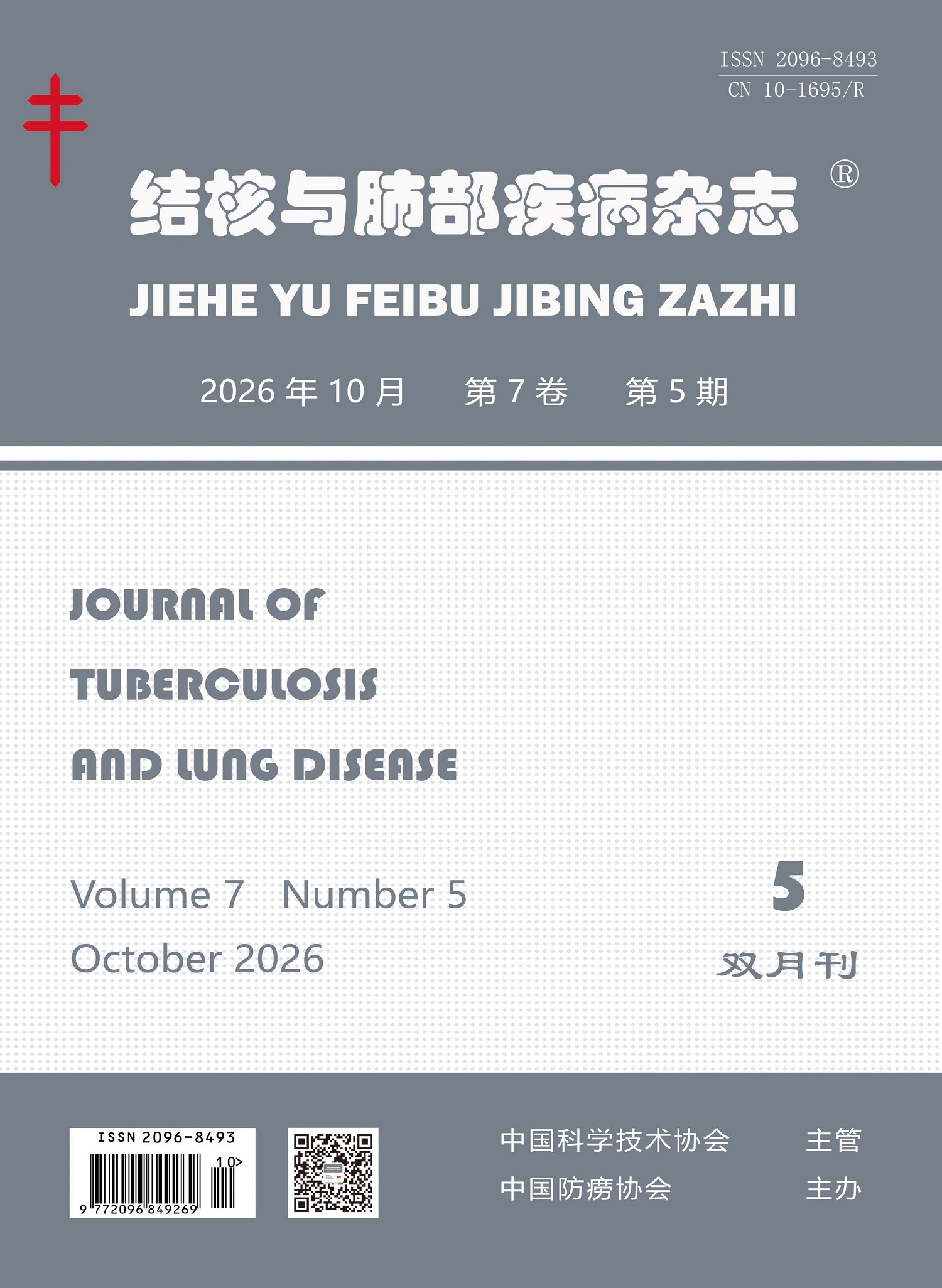
Bimonthly, Established in June 2020
ISSN 2096-8493
CN 10-1695/R

    Responsible Institution
    China Association for Scienceand Technology
    Sponsor
    Chinese Antituberculosis Association
    42 Dongsi Xidajie,Beijing 100710,China
    Editing
    Editorial Board of Journal of Tuberculosis and Lung Disease
    5 Dongguang Hutong,Beijing 100035,China
    Tel(Fax):0086-10-62257587
    http:// www.jtbld cn
    Email:jhyfbjbzz@163.com
    Editor-in-chief
    LU Xi-wei(路希维)
    Managing Director
    GUO Meng(郭萌)
    Publishing
    Chinese Journal of Antituberculosis Publishing House
    5 Dongguang Hutong, Beijing 100035,China
    Tel(Fax):0086-10-62257257
    Email:jhyfbjbzz@163.com
    Printing
    Tomato Cloud Printing (Cangzhou) Co., Ltd.
    Overseas Distributor
    China International Book Trading Corporation
    P.O.Box 399,Beijing 100044,China
    Code No.BM3595
Wechat